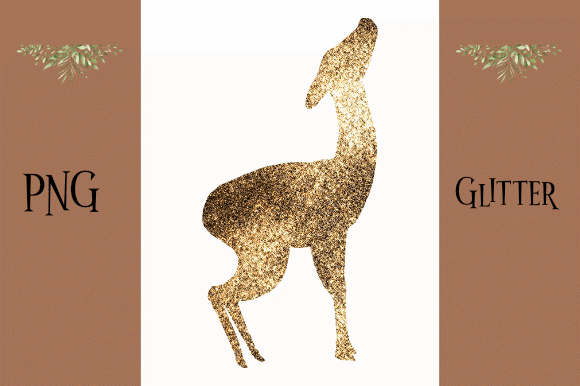
Gold Roe Clipart: Glittering, Versatile & Ready to Elevate Your Designs
If you've ever scrolled through design marketplaces searching for that one standout visual element—something that catches the eye without shouting, adds luxury without looking dated, and works equally well on a baby shower banner or a boutique business card—you’ve likely paused on Gold Roe Clipart. This isn’t just another glitter PNG. It’s a carefully crafted, 300 dpi transparent clipart file featuring a single roepigeon rendered with rich gold glitter texture—subtle enough for elegance, vivid enough for impact.
The charm lies in its balance: playful yet polished, detailed but not fussy. The roepigeon itself carries a gentle, friendly expression—rounded forms, soft contours, and a slight tilt to the head that suggests curiosity rather than rigidity. The gold glitter isn’t applied as a flat overlay; it’s layered thoughtfully—catching light differently across wings and chest, giving depth even in static use. That nuance makes it feel tactile, almost like foil-stamped paper, even when viewed digitally.
Where Gold Roe Clipart Fits Naturally—Without Forcing It
This clipart thrives where warmth, celebration, and quiet sophistication intersect. Think of it less as a “decorative add-on” and more as a subtle brand accent—like a monogrammed linen napkin or a custom foil stamp on a letterpress invitation. Its transparency and high-resolution PNG format mean it integrates cleanly into layered designs without extra masking or color correction.
In print projects, it shines on wedding stationery (especially for rustic-chic or vintage-glam themes), baby shower props, fabric-printed nursery pillows, and hand-bound scrapbook albums. Because it’s 300 dpi, it scales crisply from a 2-inch business card icon to a full-page photo album cover. In digital contexts, it performs well on social media banners (Instagram highlights, Pinterest pins), web headers for small creative studios, and email newsletter graphics—particularly where you want to signal care in detail without relying on photography.
Small business owners often overlook how much tone a single visual asset can set. A café launching a seasonal “Golden Hour” latte special? Gold Roe Clipart on a digital menu graphic adds artisanal warmth. A children’s book illustrator building a portfolio site? It lends cohesion to chapter dividers or section icons without competing with illustration style. It’s not a logo replacement—but it *supports* identity by reinforcing consistency across touchpoints.
Designing With Intention: Pairing, Placement & Practical Limits
Like any strong visual element, Gold Roe Clipart works best when treated as part of a system—not a standalone flourish. Its gold shimmer pairs naturally with muted earth tones (sage, oat, clay), deep navy, charcoal gray, or creamy ivory. Avoid pairing it with overly busy patterns or competing metallics (e.g., silver + gold text + glitter clipart = visual fatigue). Instead, let it anchor one focal point: a corner of a greeting card, the center of a circular party favor tag, or the header of a printable planner page.
Readability remains key—even with decorative assets. If using it near body text, ensure at least 12–16 pt spacing between the clipart edge and any paragraph. On dark backgrounds, test contrast: sometimes a thin white stroke (1 px) around the roepigeon helps it lift without compromising transparency. And while it’s tempting to scale it down for micro-uses (like favicon or app icon), resist—the glitter detail blurs below ~80 pixels wide. Reserve smaller applications for simplified line-art alternatives.
Licensing Clarity: What You Can—and Should—Do With It
This is a commercial-use clipart file, meaning you’re free to incorporate it into client work, POD products (mugs, tote bags, wall art), digital templates sold on Etsy or Creative Market, and branded marketing materials—as long as you’re not reselling the PNG file itself or claiming authorship of the original design. No attribution is required, but if you’re using it in editorial contexts (e.g., a design blog post), crediting the source maintains professional integrity.
Importantly, it’s a single-file asset—not a font, not a vector pack, not a multi-style suite. That’s intentional. Its strength is specificity: one expressive, well-executed roepigeon, optimized for immediate use. Don’t expect alternate poses, color variants, or SVG versions. If your project demands flexibility across formats or colors, this may not be your starting point—but if you need one reliable, joyful, gold-accented visual anchor? It’s purpose-built for that.
Real Projects, Real Results
A Portland-based stationer used Gold Roe Clipart as the central motif on a limited-run “First Year” milestone journal for new parents. She placed it subtly on the spine foil stamp and repeated it in gold foil on the interior title page—no other embellishment. Clients consistently cited that “quiet luxury” feeling as the reason they chose it over busier competitors.
A freelance branding designer embedded it into a series of Instagram story templates for wellness coaches. Not as a logo—but as a consistent visual punctuation mark between tips: a tiny roepigeon beside “breathe,” “pause,” “notice.” Followers began recognizing it as a cue for grounded, reflective content—proving even small clipart can reinforce voice and rhythm.
And a UK-based craft blogger printed it onto iron-on vinyl, then applied it to denim jackets for a DIY workshop. Because the glitter texture translated well to heat-transfer, attendees left with wearable pieces that felt handmade—not mass-produced. That cross-medium adaptability is rare, and worth noting.
Ultimately, Gold Roe Clipart succeeds because it respects your time and your audience’s attention. It doesn’t demand explanation. It doesn’t compete with your message. It simply arrives—glittering, grounded, and ready to do quiet, confident work alongside your best ideas.